
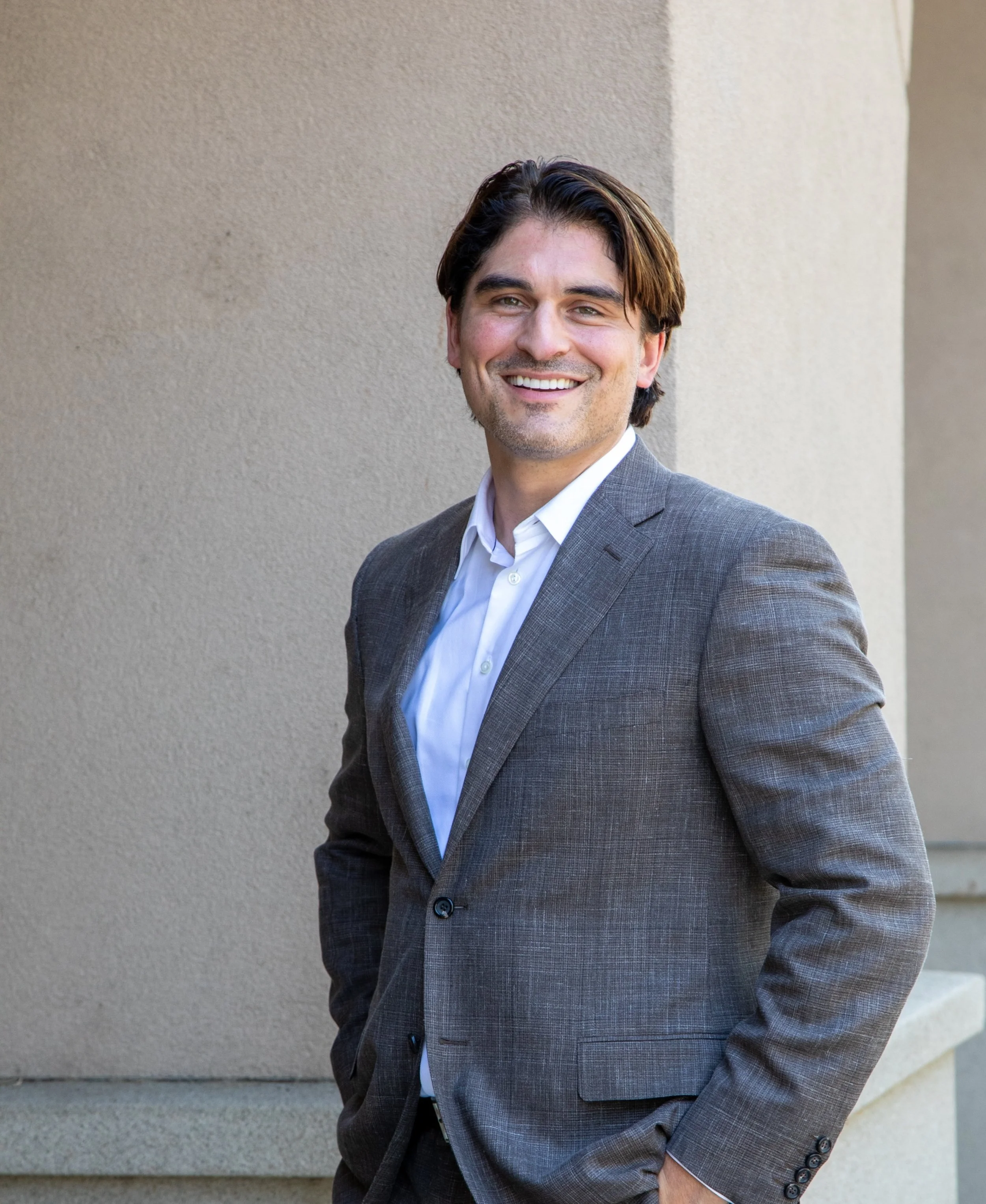
Eric as a Business Leader
“What I Built”
I grew up poor in rural Maine, in a house my family kept afloat on food stamps, Medicaid, and my father's disability checks. Big Pharma, the insurance industry, and poor rural healthcare combined to get my father addicted to opioids, and my family buried in medical debt. I got out on scholarships.
I ended up in finance for one reason. My father nearly died my junior year of college, needed better healthcare, and making some money was the fastest way I could think of to help.
I was at that job in New York for 11 months, and I was so ready to leave.
This is what I did with the 12 years after that.

First hire
In 2013, I moved to San Francisco to join a firm that didn't really exist yet. I was one of the first people hired at Dragoneer — the first analyst, the first partner who wasn't one of the founders. Like many California stories, the business we built started out with a few folks at a single desk.
I helped build it from that desk. By the time I left it was one of the most successful investment firms in the country.
I know how to start something: pick a big problem to solve, build the strategy, raise the money, hire the team, and get a thing built that didn't exist before. Solve a big problem that dearly needs fixing. I've done that several times over, and learned that I was good at it. My experience spans healthcare, education, and financial inclusion.
This is a unique skill set for Congress. At a moment when our government, state and federal, seems broken, ineffective, and corrupt, I believe that experience from outside establishment politics is what we need.
What my job actually was
People hear "investor" and picture somebody moving numbers around a screen.
What I did was find people with a great idea solving a big problem, and help them build their company. I rallied my firm and others to invest in those teams and ideas. Then I would advise the leaders, sometimes from a board seat, and help them do it — the strategy, the hiring, the hard calls at two in the morning.
I was a business builder. Most of those companies were based here in Northern California, where we created thousands of jobs.


Healthcare, because of my father
I chose to focus in healthcare because I watched what bad healthcare did to my dad.
Maven Clinic. Care for women and families — fertility, maternity, postpartum, menopause. The parts of medicine this country has been shrugging at for a century. It's the company I put myself most into, and I still contribute as an unpaid board member. I still advise the CEO because this mission is dearly important and I want to see her succeed.
Lyra Health. Mental health care people can actually get an appointment for. My father lost decades to a system that handed him a prescription instead of care.
I also worked to innovate value-based care — paying for whether a patient actually got better instead of paying per procedure. Some of it worked, and some of it didn't. I learned more from the part that didn't.




Financial inclusion and education
Chime. Banking for people who were paying overdraft fees they couldn't afford, or who had been shut out of a bank account altogether.
Nubank. A financial inclusion company in Brazil, built for the millions of people the banks there would not take as customers.
Mercado Libre. Somewhere for small sellers across Latin America to sell.
Duolingo. Language learning on a phone, for anyone who has one. Getting started used to take money most people don't have. Now it doesn't.
I picked companies that took something expensive and locked up, and made it cheap and available.

Working with Medicare
I helped pilot new ways of getting care to seniors in rural counties, with Medicare and CMS, under both a Democratic and a Republican administration.
The idea is simple: a senior in a rural county shouldn't drive 90 minutes for a 15-minute appointment, and they shouldn't be paying six specialists who never speak to each other. So send the visit to the house. Use the pharmacy already in town. Pay for outcomes.
I want to be accurate about my part in it. I did not build the program. I helped drive the early pilots, design, and adoption. I was an operator, an adviser, and an expert. The people who designed those programs and pushed them through were career public servants who have been at it for decades. They deserve the credit. But I know what programs work, I know how they work, and I have built them.
I did that work under administrations of both parties, because getting an old farmer to a doctor is not a partisan project.
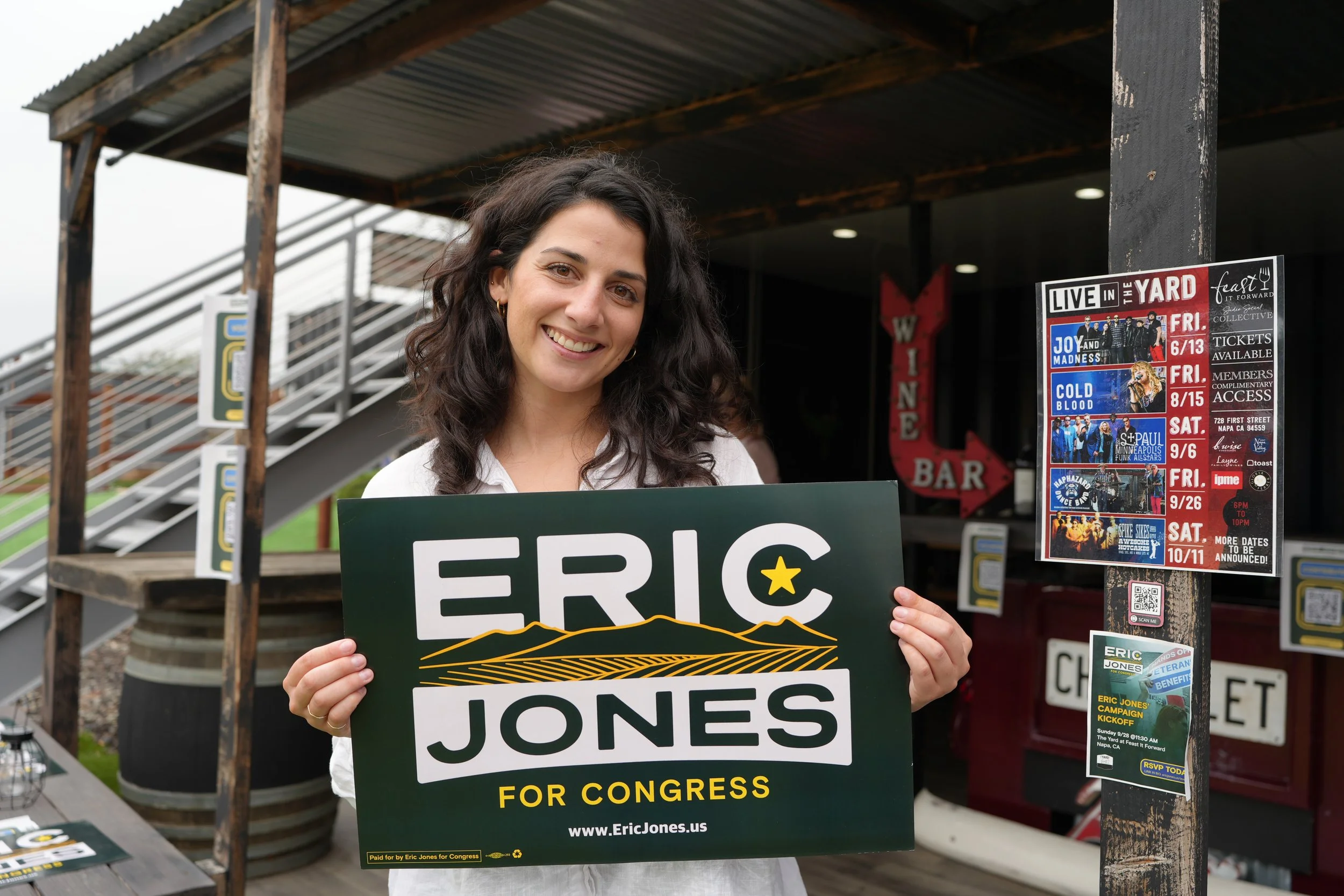
How I ended up in politics
There was a banking crisis in 2023, and I ended up advising members of Congress on what they should be telling the White House. That's where I met Ro Khanna and other members of Congress. Later that year, I advised the administration when the Affordable Care Act was under threat due to cascading bankruptcies.
Political leaders noticed that I had a talent for this work, and that I liked doing it. They got me involved.
I found out I liked it more than my job.
On the money
I made money, and I'm not going to be coy about it. As a candidate for Congress, our finances are public. I have taken extra steps to make our filings simple, clear, and transparent. With the exception of my board seat at Maven Clinic and advising my wife as she builds her firm, I have left my business career completely. My focus is my nonprofit work with the American Dream Institute, our community work, and this campaign.
My father cut pills in half at a pharmacy counter to make them stretch longer.
A stack of bills sat on our kitchen counter my entire childhood.
I made sure my kids will never see all of that. The sickness, the financial anxiety, and the feeling that there is no way out. Like many parents, this was a major priority and goal for me.
I am so fortunate to have been able to reach that goal. Now it's my time to give back.
"I am mounting a real fight to change the system because I can afford to do so. It's a privilege and a responsibility."
— Eric Jones
Where the money came from
I made my money in business, before I ever ran for anything. Now, I'm spending it on this campaign.
I take nothing from corporate PACs, lobbyists, special interests, or foreign governments. I don't have to. I got mine before I ever asked anybody for a vote, as a private citizen in the private sector.
But there are other pathways to money in our country. A person can walk into Congress on a government salary and walk out three decades later a multimillionaire, or a deca-millionaire. Some have even made hundreds of millions of dollars via legalized insider trading. They admit it openly, with no shame.
I can refuse all of this money because I have the privilege and the responsibility to do so.
The Spider-Man comics gave us "with great power comes great responsibility." The Gospel of Luke puts it as "to whom much is given, much is expected."
Those with political power in our country are not being held accountable. And many of those who have the ability to fight and change the system would rather stay out of it. It is a complete mess, after all. I don't blame anyone for staying home.
I am mounting a real fight to change the system because I can afford to do so. It's a privilege and a responsibility. We need to change the system now.
So I want money out of politics.
Term limits.
A ban on members of Congress trading stocks.
An end to partisan gerrymandering, everywhere.
Why I walked away from the business world
I could have kept going, and it would have been an easier life than this one.
For years, I have watched counties like the nine I'm running to represent get squeezed — here in California, back where I grew up in Maine, everywhere.
The fires, the insurance, the water, the cost of an ordinary life climbing while the paycheck doesn't.
And I've watched the people responsible for fixing it decide it wasn't urgent. And get rich themselves.
I've signed a term limit pledge so this can't become a career, and I'm paying for the campaign myself so nobody owns a piece of it.