
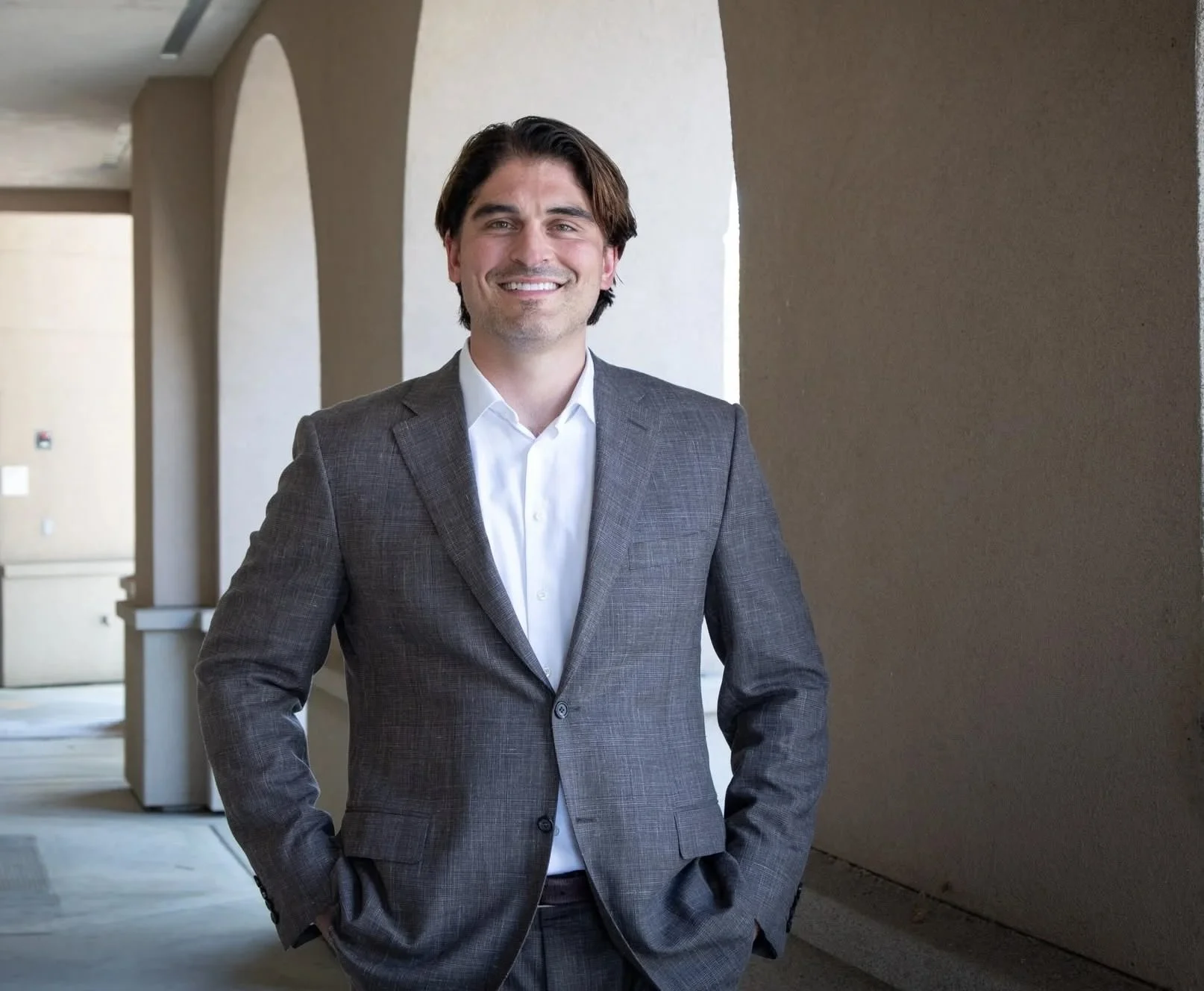
Eric’s Story
“I lived the American Dream”
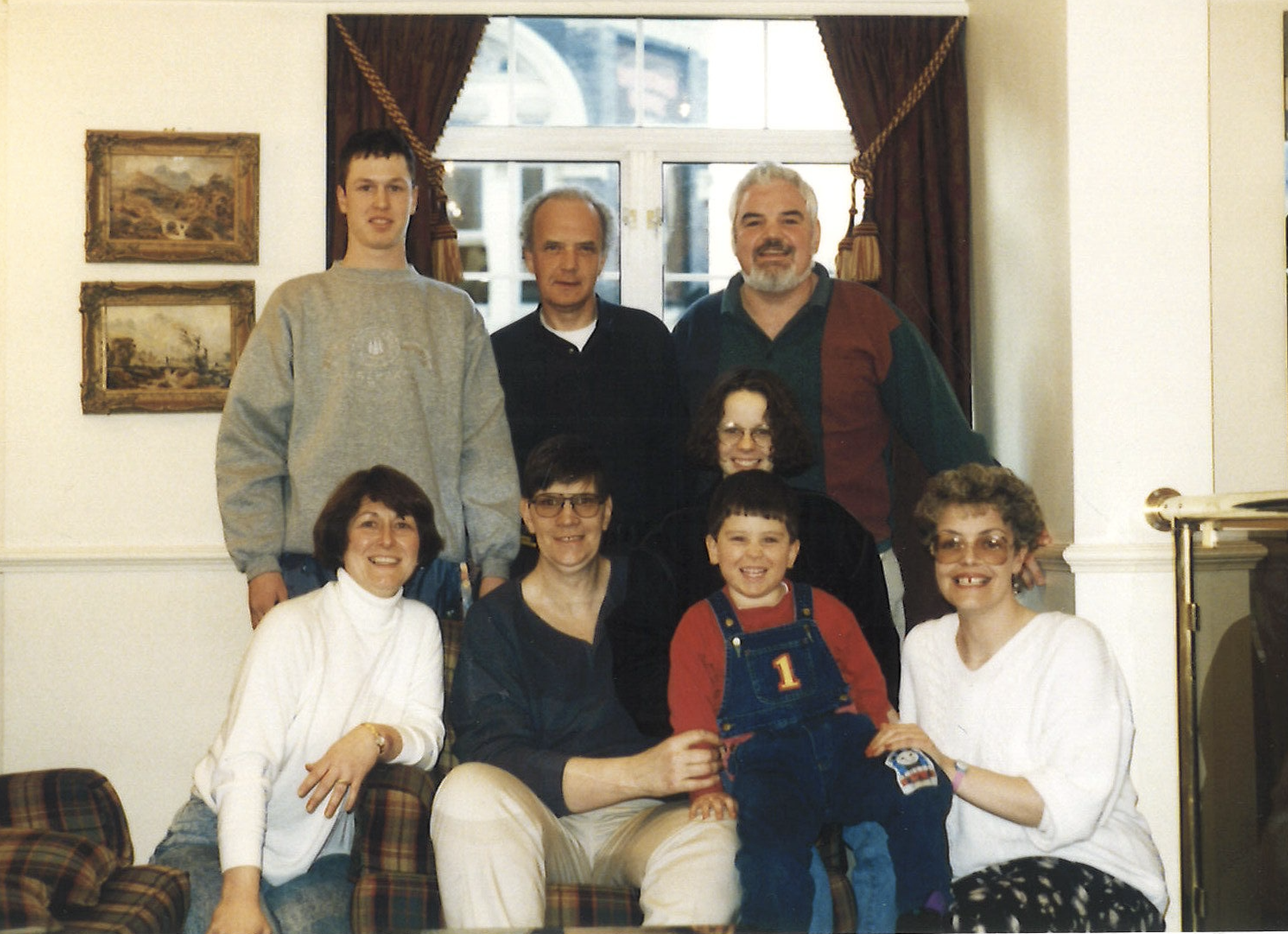
I grew up poor in a small town in rural Maine, in a house where my father couldn't get himself out of a chair and my mother worked 60-hour weeks to keep us fed.
She told me it was going to get better. That I would build a better life than the one we had, and that this country would give me the chance to.
She was right. I got out. I got an education my family could never have paid for, I built businesses, and my kids will never need to see the stack of bills that sat on our kitchen counter my entire childhood.
I'm running because I can't promise my own kids what she promised me.
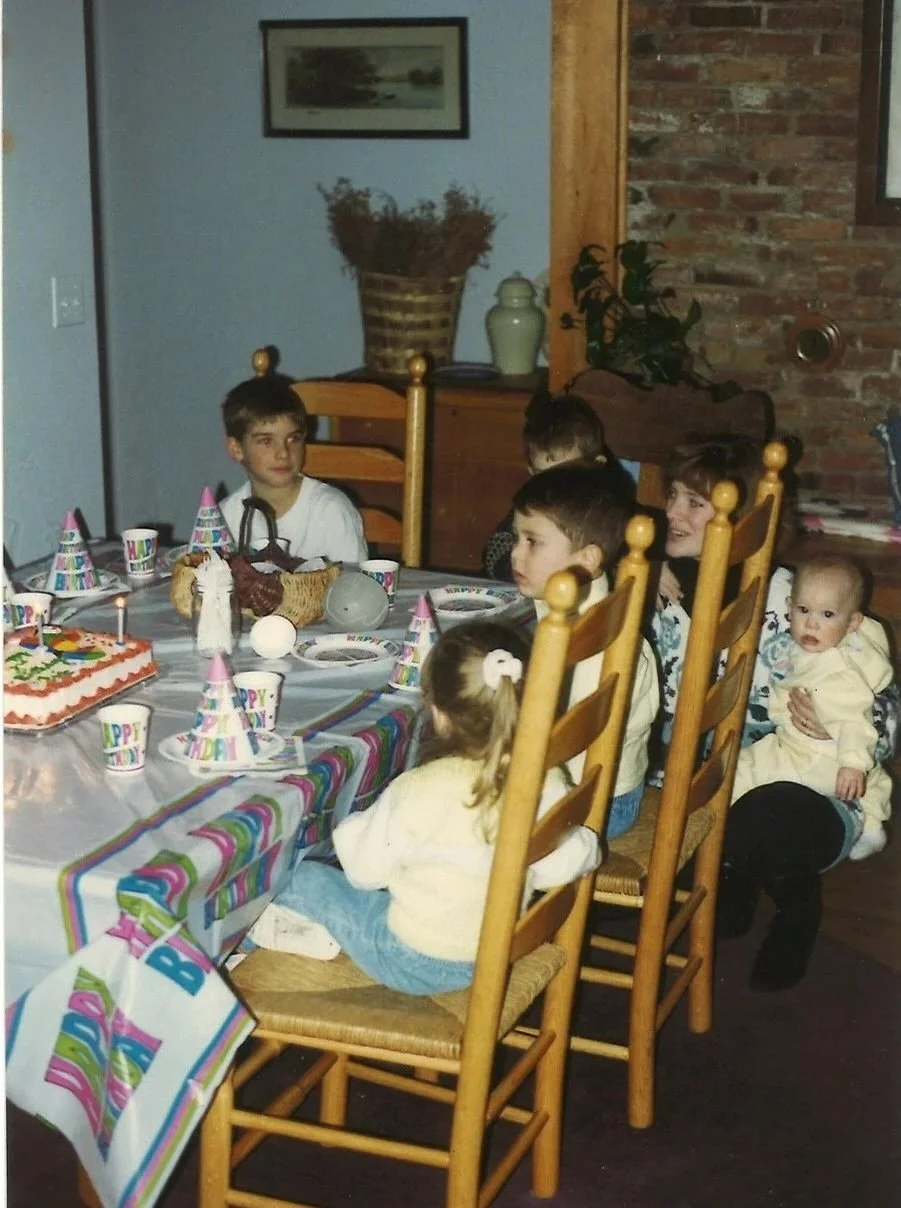
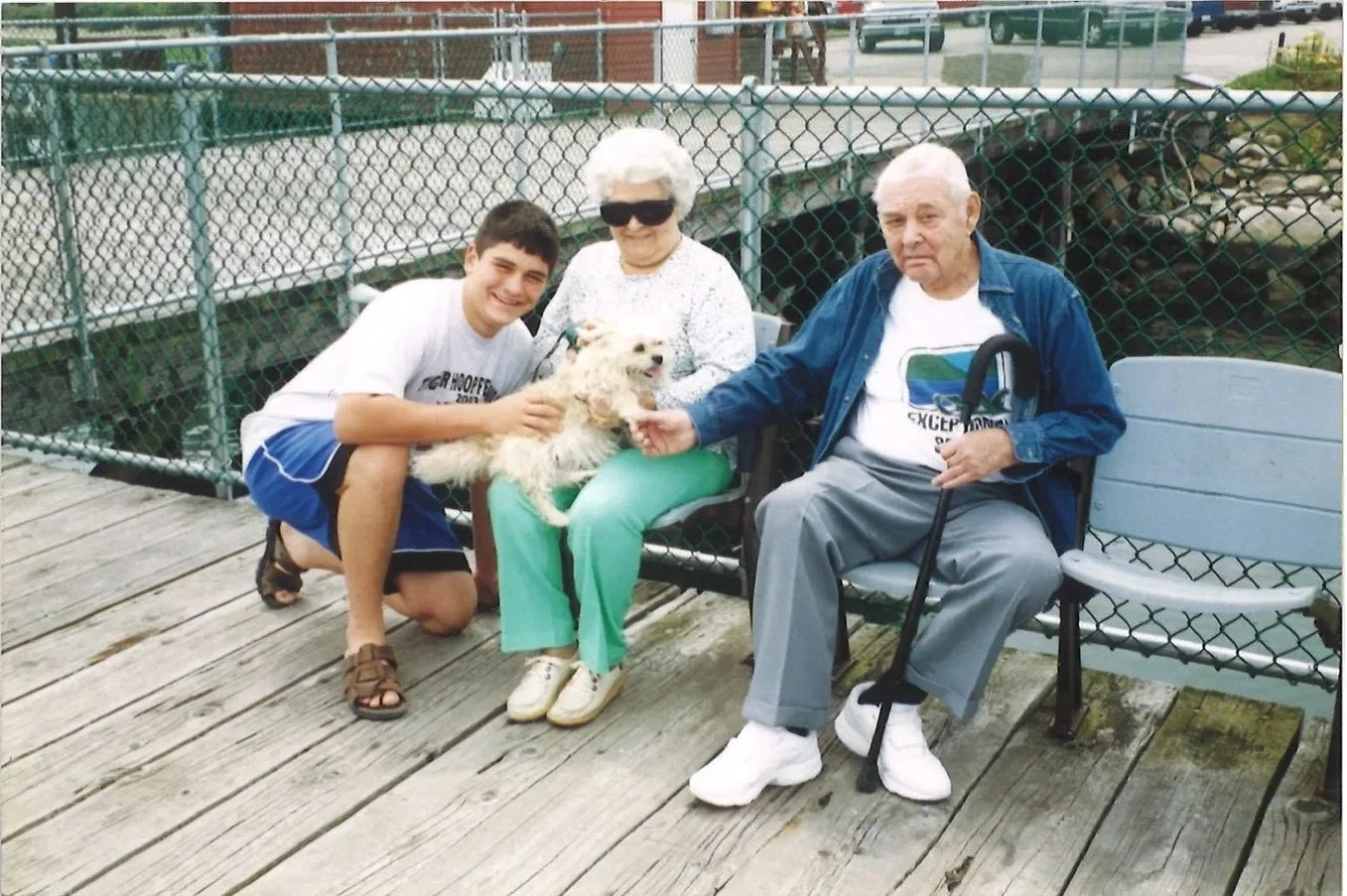
The house I grew up in
750 square feet, and most of it was one room.
There was a stack of bills on the kitchen counter that never got any shorter. There was a glass cabinet on the wall with the war medals of every man in my family who had served. And in the middle of the room, facing the television, there was a big recliner, and that is where my father was.
He was a paratrooper. He came home from war with injuries he would never fully recover from. He worked as a farmer.
Then he had a run of back surgeries that went wrong. He could no longer get himself out of a chair.
This is rural Maine in the nineties. A veteran in constant pain, in a place with limited options for care. So they gave him pills. When the pills stopped working, they gave him stronger ones. The drug companies were telling his doctors those pills weren't addictive, the doctors believed them, and my father did exactly what his doctor told him to do — the thing that gave him a little bit of reprieve.
He fell asleep in that chair nearly every night with the History Channel on.
My day started at five in the morning. I'd wake him, get him out of the chair and into bed, clear the pill bottles off the seat, and make breakfast. He was a grown man and I was a kid. My grandfather lived with us for a stretch, and I changed his colostomy bag.
The hospital stays ran into years. The medical debt ran into the hundreds of thousands of dollars.
I knew exactly how much money we didn't have. I knew what was in the account and how much we owed.
A kid isn't supposed to know that.
In winter, my mother kept the thermostat as low as we could stand. I'd argue to turn it up. What I remember is wearing an extra sweatshirt inside my own house.
It took me a long time to shed that financial anxiety that so many Americans live through, every day, without end. Anxiety becomes gripping fear, and after years and years, it becomes debilitating.
I want to be clear about who did this to us. A pharmaceutical industry lied about what it was selling. An insurance industry decided the hospital bills were our problem, not theirs.
Both are still in business, and both still write checks to politicians.
This is at the core of how I view so much of what's wrong with our world. It's at the core of my politics and beliefs.
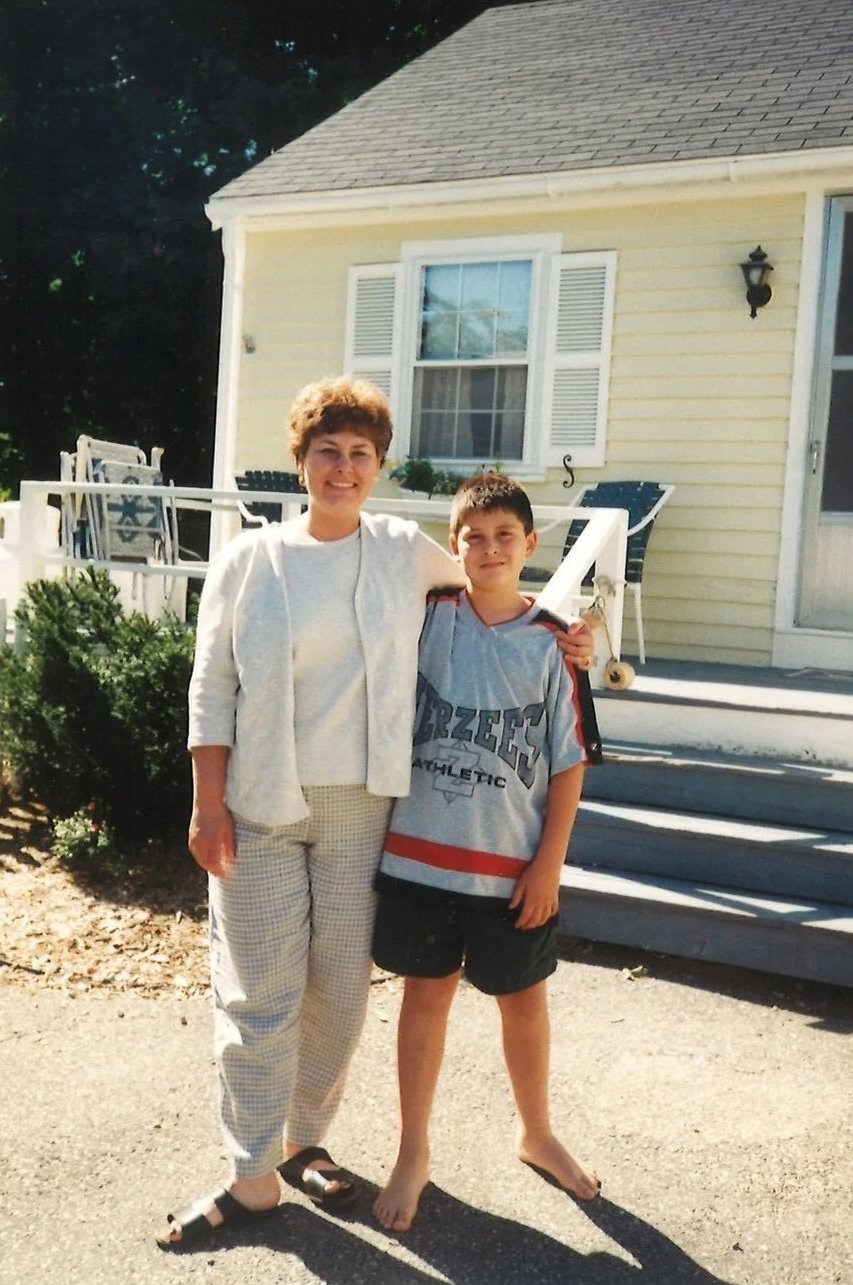
My mother
She was our savior.
She raised her sons, pretty much on her own. She went to work, and went on food stamps, to feed those boys.
Then she went back to school at night, and became a nurse.
Then she worked 60-hour weeks, in some years a second job, raised three sons, and took care of a disabled husband, all at the same time, for 20 years.
She is the most capable, strong, caring person I have ever met.
Our family relied on food stamps, on Medicaid, and on disability checks. And on our church, which gave us community, faith, and financial help.
And she told me — not once, but over and over, for years — that it was going to get better. That I would build a better life than the one we had. That this country would give me the chance to.
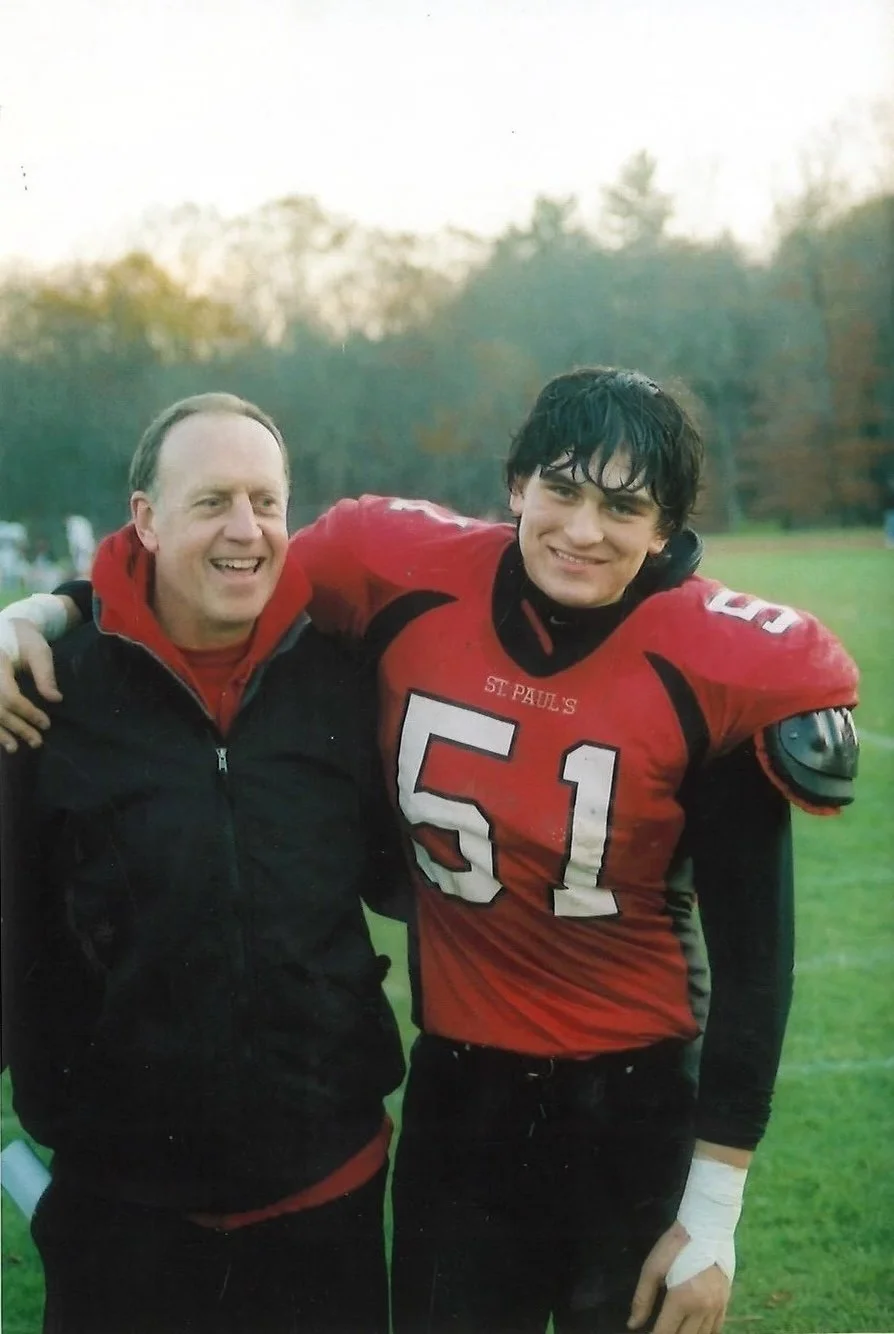
My path
Nobody was going to hand my family money, and nobody was coming to get us. School was the only lever I could reach, so I pulled on it with everything I had.
Books got me out of that house years before I could physically leave it. Fantasy, mostly. I still read fantasy. And sci-fi. Along with biographies, world history, and religious texts.
I was a big, quiet, pimply kid. "Husky," they used to say. I was also "Big Boy," and a menace at pancake breakfasts after church on Sunday. I was great at football.
Teachers looked out for me. They showed me a path and an opportunity for higher education.
I read more books. I researched all the schools. I got bruised playing football.
I got full scholarships to several schools. I chose Yale.
I became a first-generation college student on full financial aid — on track to be the first person in my family to graduate from college. I studied economics and international relations. I learned foreign languages, and spent every stretch I could studying overseas.
Everything I have came through that door. My education was paid for by people who decided a kid from a town nobody's heard of was worth the money, and I have never once forgotten it.
I was planning to join the Foreign Service. Every man in my family has a medal in that cabinet, and I had the opportunity to serve a different way.
Wall Street, for one reason, for one year
My junior year my father got critically ill. He was read his last rites. We expected him to die, but somehow he didn't.
He was never going to get better in Maine. He needed better healthcare. Better healthcare cost money we did not have. We were in rough shape.
So I went and took the job with the biggest signing bonus I could find, because at 20 years old, I knew it was the way that I could help.
We moved my parents to Jacksonville, where my brother Joe was stationed in the Navy, and we got my father into the Mayo Clinic.
They got him off the opioids. They saved his life.
I met my dad when I was 20 years old.
We only got that because I happened to be the kid who could go make the money. That is not how this is supposed to work.
I spent less than a year in New York City. Once my family was set, I had no reason to stay. I set my sights on California. The same day I accepted a job out there, I met my partner for life, Rachel. A few months later, I went to California. Thankfully, Rachel came with me.
My parents live down the street from me in Napa now.
What I built
At 22, I moved to San Francisco to help a mentor build a business. By the time I left it was one of the most successful investment firms in the country.
I spent over a decade as a business builder: finding people with great ideas, getting them the money to build toward their dreams, and guiding them closely while they did.
I focused on healthcare because of my father.
Maven Clinic, for women's and family health, is the company I put the most of myself into, and I still sit on its board. It is now the largest virtual clinic for women's and family health in the country.
Lyra Health, so that getting a mental health appointment doesn't take four months. It is now one of the largest mental health provider networks in the world.
Chime and Nubank, two financial inclusion companies that gave bank accounts to people the banks would not take.
Mercado Libre, so small sellers across Latin America could build their own businesses and become entrepreneurs.
Duolingo, a now-global language app, which made learning a new language accessible to anyone with a phone.
The companies I helped build now serve millions of people.
I made money doing all of this. Our American system rewards business success. Maybe a little too much. My kids will never see the stack of bills that sat on our kitchen counter my entire childhood.
At the same time, I spent years helping pilot new ways of getting value-based care to seniors in rural counties, with Medicare and CMS, under both a Democratic and a Republican administration.
I lived the American Dream. A kid from that 750-square-foot house got there, and I will always be proud of the country that gave me that opportunity.
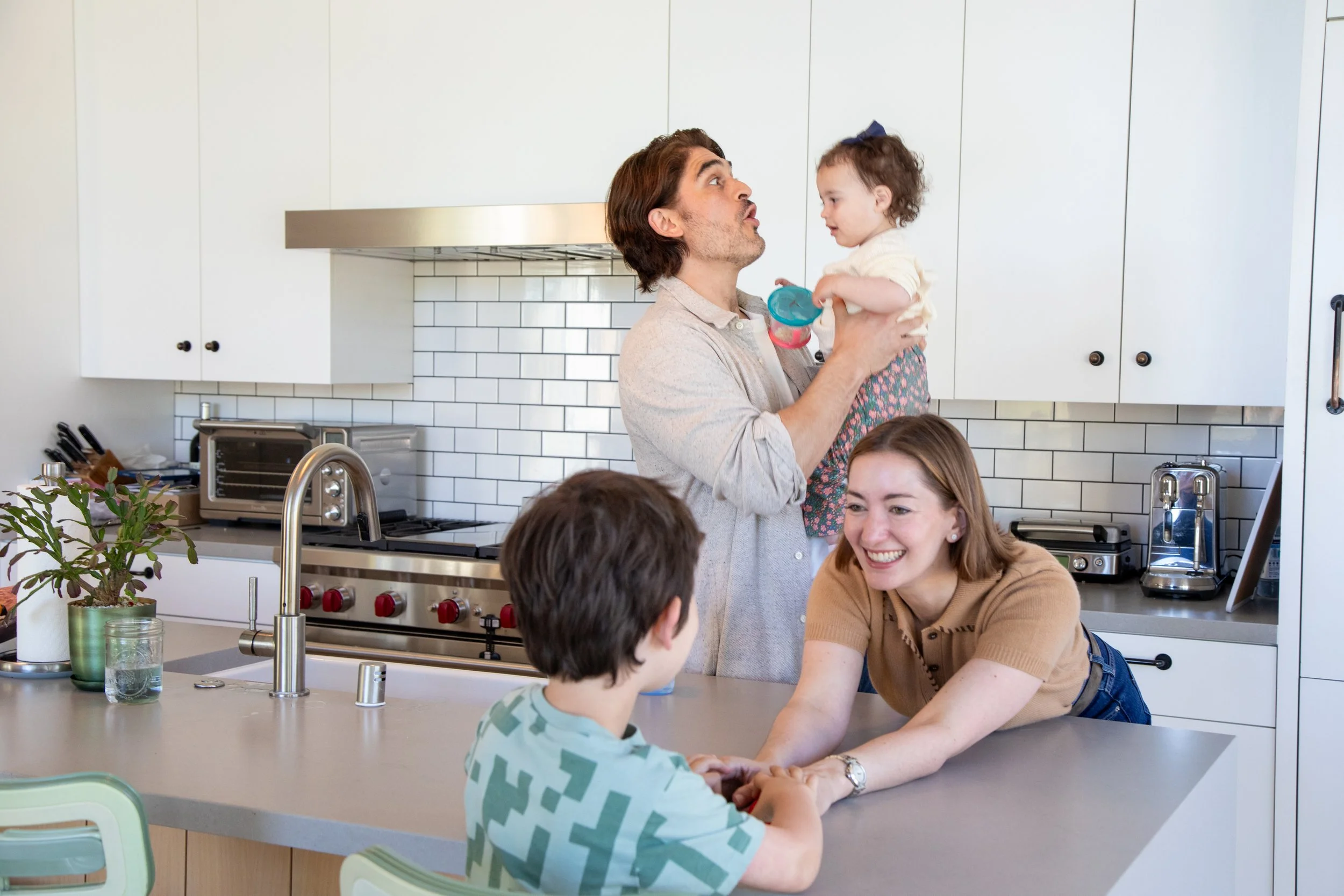
My family, and why Napa
I met Rachel in New York, the same day I accepted the job offer to move to California.
We moved to Sonoma County in our twenties, and in 2021 we moved our family to Napa — after our son's heart surgeries. Family health reasons made Napa the right place for us, and we are so fortunate to be able to raise our family here.
We wanted somewhere safe, quiet, and community-first, and still close to his doctors — but somewhere that still had a pulse and a culture. My parents are here now. Rachel's mother and grandparents were born here, well, one county over. Our daughter was born in October of 2024.
I came back to my faith during Owen's recovery, after a long time away from it. I'm a Christian who believes in the Golden Rule above all others.
Being a husband and a father is the best thing I have ever done.
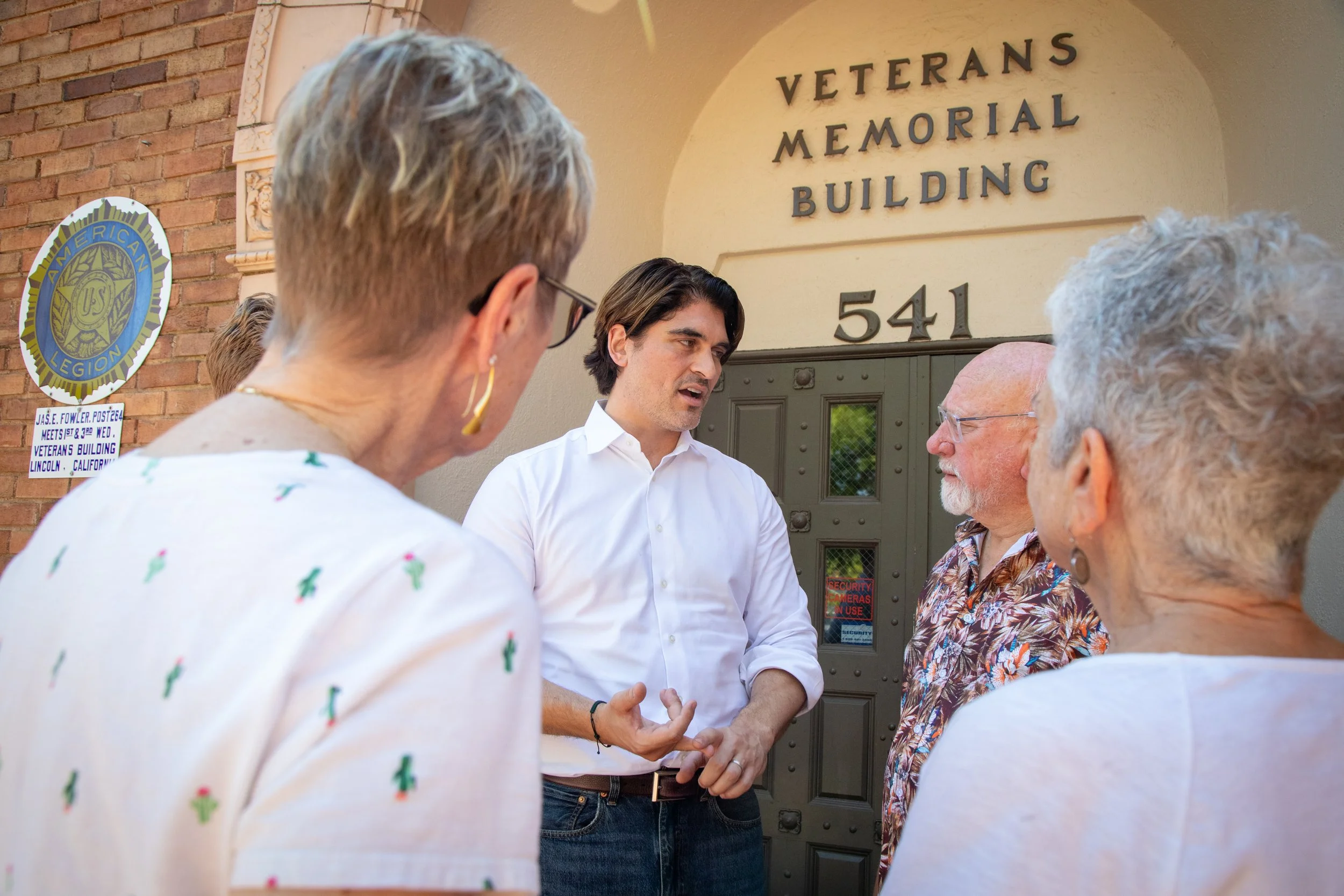
Giving back
Rachel and I started giving in 2019 and created our family foundation in 2021, after Owen was born. We focus on women, children, families, veterans, and communities in Northern California. Free car seats. A fund for women veterans. A downtown theater in Vacaville that was going to close. And reading programs in Sonoma County schools, because I remember exactly what a book did for a kid in my house growing up.
Why I'm running
My daughter was born in the fall of 2024. I was holding her when it hit me that I could not promise her what my mother told me — that it was going to get better, that she would build a better life than the one we have, and that this country would give her the chance to.
Look at what's in front of her. Less opportunity than I had. The distance between the top and the bottom getting wider every year. Fire and drought ravaging towns in these nine counties. AI arriving faster than anyone's rules for it. A country angrier than I have ever seen it. A healthcare system that is failing almost all of us. An education system that is failing our kids.
My generation will be the first generation in modern American history to have it worse than their parents. Our kids will have it even worse. I don't think that changes unless we act.
I tried to give my children security. But nobody can give their kids enough security in this world, given the dangers that we are facing.
I never served the way other men in my family served. I was going to, in my own way, and then my father got sick. So I went and made money instead, and I don't regret it for a second, because it helped my family.
Men in my family have served. My mom committed her life to healing and serving people. This is my way to serve.
I've signed a term limit pledge. I take no money from corporate PACs, special interests, or foreign interests. I want a ban on members of Congress trading stocks and an end to gerrymandering, and I want the money out.
I'm not here to spend a lifetime in this seat. I'm not here to get rich. I'm here to help. For you, your kids, and mine.
Nobody should earn a lifetime appointment for showing up. The people who have held these seats for decades have not gotten the reservoir built, the spillway funded, or the levees fixed, and they are funded by the insurance lobby, by PG&E, and by big pharma — the same industries that took decades from my father.
That includes my own party. Democrats have spent too long protecting the people writing the checks, and then wondering why nobody believes us.
About the money in this campaign
I'm mostly paying for this myself.
Most of the money in this campaign is mine. Given as donations, not loans. I can't take it back. I'm investing my own resources into this race — because you need real resources to compete with corporate powers and special interests.
The rest of our campaign's funds come from individual people who chose to give it. No corporate PACs. No lobbyists. No special interests, and nothing from a foreign government. Real people who believe in me, in our campaign's ideas, and in our shared vision for the future. And not one donor accounts for more than 0.1% of our campaign funds.
I've also had help from political leaders who believe in what I'm doing. They have provided guidance, contacts to build a team, donors, and some sense of how all of this works. Most of the people who ought to be running for office have neither the money nor those kinds of connections. It shouldn't be that way.
There are two ways to run for a seat like this without owing somebody afterward. Spend your own money, or raise money only from individuals who have no intention of ever calling you back. No strings. No lobbyists. No corporate partners or consultants hired by PACs. Just trust in yourself, or in individuals who believe in the same future you do. Like me, the individual donors who have supported this campaign believe in America and want to see the American Dream restored, for everybody.
I'm running because the system is broken, and because our kids, and future generations, have to live in whatever this system produces.
A nurse and mother of three boys should be able to run for this seat without selling out to some special interest group or corporation. So should a farmer, a teacher, or a mechanic. Right now they can't, and the people who profit from that are the same people writing the checks.
I'd rather not have to be the exception.
CA-4 is nine counties — Colusa, Lake, Napa, Placer, Sacramento, Sonoma, Sutter, Yolo, and Yuba. Almost half the people living here have never once been represented by the man who holds the seat.
I'm running to help redeem the American Dream for my kids, and for everybody else's.